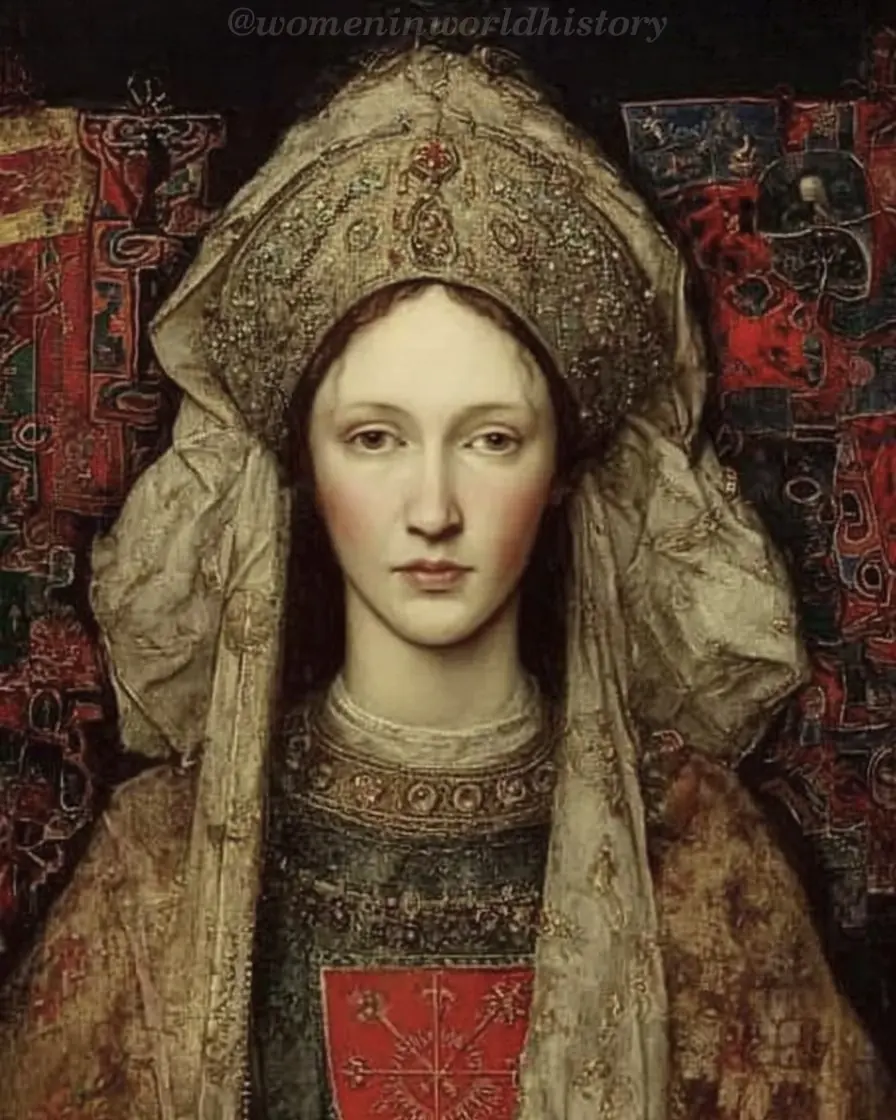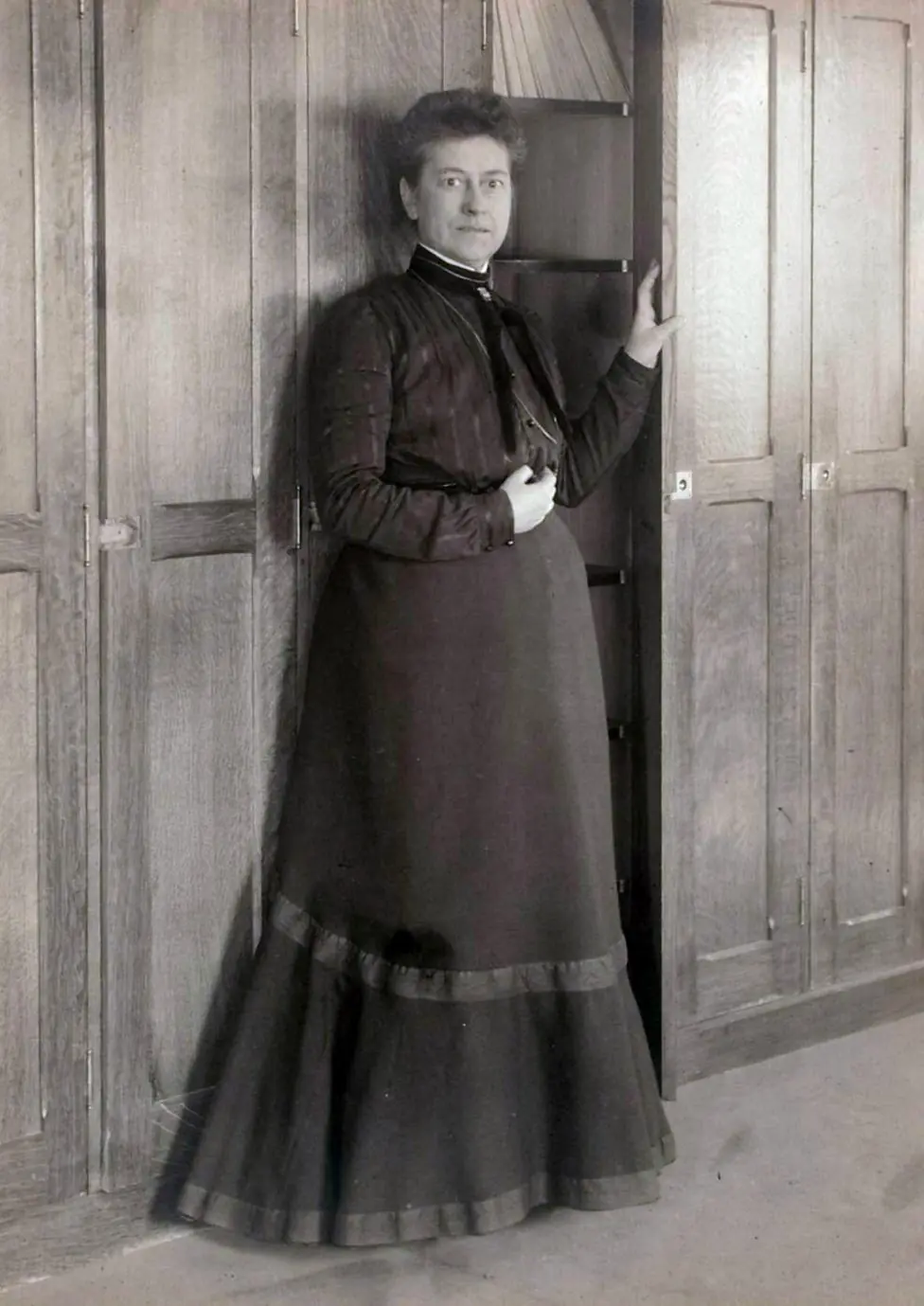
Born on a chilly morning in 1857 in Dundee, Scotland, Williamina Paton Stevens Fleming entered the world unaware that she would one day revolutionize the field of astronomy. A brilliant and curious child, she began teaching by the age of 14, showing early signs of her remarkable intellect. However, life took a challenging turn when, after marrying and emigrating to the United States, she was abandoned, left alone to raise her child in a foreign country. With limited options, she took a job as a housekeeper for Edward Pickering, the director of the Harvard College Observatory—a role that would unexpectedly launch her into scientific history.
What happened next is nothing short of legendary. Frustrated with the inefficiencies of his male staff, Pickering famously declared, “My Scottish maid could do better!” He gave Williamina a chance to prove it, and she seized the opportunity with both hands and a brilliant mind. Far surpassing expectations, she became the first of the Harvard Computers, a pioneering group of women who transformed our understanding of the universe. With no formal scientific training, her eye for detail and unstoppable intellect made her a trailblazer in astronomy.
Williamina’s contributions were monumental. She classified over 10,000 stars, discovered 310 variable stars, 59 nebulae, and 10 novas, and developed the Harvard Classification System—a framework still used today to categorize stars. Her groundbreaking work earned her the distinction of being the first American woman named an honorary member of the Royal Astronomical Society, a testament to her impact in a male-dominated field. I can imagine Williamina peering through reams of data, her sharp mind identifying patterns in the stars, rewriting the narrative for women in science with every discovery.
At a time when women were often dismissed and denied opportunities, Williamina Fleming proved that intelligence transcends gender, background, or circumstance. Her journey from a housekeeper to a star classifier shows that greatness can emerge from the most unexpected places—like a laundry room rather than a laboratory. She didn’t just study the stars; she became a star in her own right, her legacy shining brighter with each generation of women inspired to reach for the sky.
Shared by its keeper, this story isn’t just about astronomy—it’s a tribute to Williamina Fleming’s brilliance, perseverance, and the quiet revolution she ignited, one star at a time. Her life encourages aspiring scientists, especially women, to pursue their passions relentlessly, proving that barriers can be broken with determination and talent. It’s a reminder to honor the unsung heroes of science whose contributions continue to shape our understanding of the universe.