Imagine a future where death is not an irreversible fate but merely a temporary setback, one that could be overcome with the help of science and technology. This is the hope that drives the ultra-wealthy and the curious alike to invest in the controversial practice of cryonic preservation. The idea of preserving human bodies at ultra-low temperatures with the hope that future scientific advancements will allow them to be revived has captivated minds for decades. Since 1967, more than 500 people have already been cryogenically preserved, with another 5,500 people planning to undergo the process in the coming years. But what exactly is cryogenic freezing, how does it work, and what does the future hold for this fascinating yet controversial practice?
What Is Cryogenic Freezing?
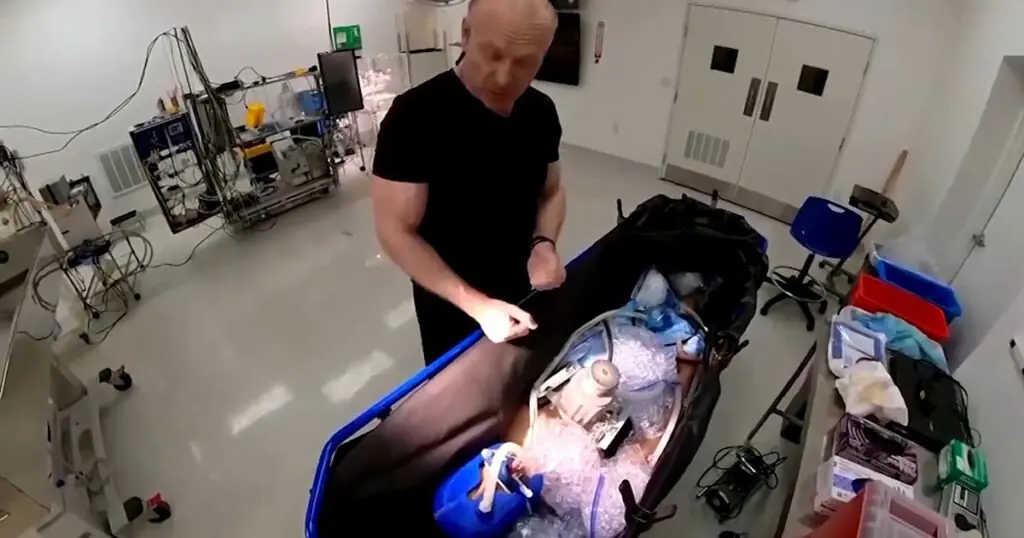
Cryogenic freezing, or cryonics, refers to the process of preserving human bodies at extremely low temperatures after death, with the hope of reviving them in the future. The concept of cryonics is deeply rooted in the exploration of immortality and the belief that death may not necessarily be the end. At the heart of this process is the belief that even after a person dies from an incurable disease or injury, their body may still be revived once technology advances to the point where the cause of death can be cured.
The foundation for cryogenics was first laid by French biologist Jean Rostand in the 1940s, who explored the potential of preserving life through low temperatures. However, the idea of using cryonics as a potential pathway to immortality gained wider recognition through the work of Robert Ettinger, a physics teacher and war veteran. In his 1962 book The Prospect of Immortality, Ettinger proposed that human beings might one day be able to "freeze" themselves at the moment of death, preserving their bodies for a future time when medical advancements could revive them. Ettinger's book sparked a movement, and the term "cryonics"—derived from the Greek word "krýos," meaning "icy cold"—was born.
While the concept of cryonics is still in its infancy, with much skepticism surrounding it, the possibility of freezing and later reviving humans remains a tantalizing vision for those who are determined to overcome mortality. The first human to undergo this process was James Hiram Bedford, a former psychology professor at the University of California, Berkeley, who passed away in 1967 from renal cancer. Bedford became the first person to undergo cryogenic preservation, and his body remains frozen to this day, awaiting the moment when science may be able to revive him.
James Bedford: The First Cryogenically Preserved Man
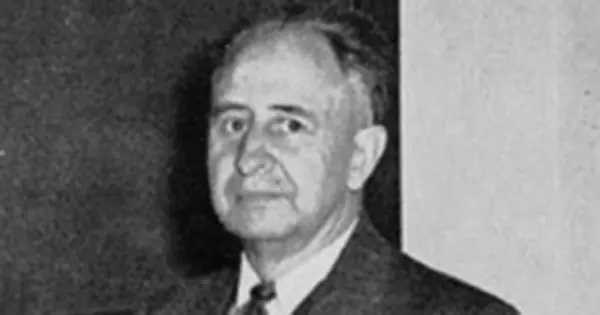
James Bedford's journey into the unknown began when he was diagnosed with terminal cancer in his 70s. Faced with the inevitability of death, Bedford began exploring alternative options, including the radical concept of cryonics. After connecting with Robert Nelson, the president of the Cryonics Society of California, Bedford decided to undergo cryonic preservation. On January 12, 1967, just hours after his death, Bedford's body was frozen and transported to a cryonics facility in Arizona, where it remains today.
Bedford's story marked a pivotal moment in the history of cryonics. It demonstrated that the possibility of preserving human life after death was no longer a mere theoretical concept but a tangible reality. His preservation sparked controversy and debate, with some questioning the scientific basis of cryonics and others expressing hope that one day medical technology would catch up to make revival possible.
The process of Bedford's cryogenic preservation involved several critical steps to ensure that his body could be preserved for future revival. After his death, the Cryonics Society's team quickly intervened, initiating artificial respiration to maintain oxygen flow to his brain and using a chemical called dimethyl sulfoxide to replace his blood and prevent ice crystals from forming inside his organs. Bedford's body was then placed in a specially designed metal capsule and transported to Arizona, where he was placed in a liquid nitrogen vat, where it has remained ever since.
How Cryonics Works: The Science Behind the Process
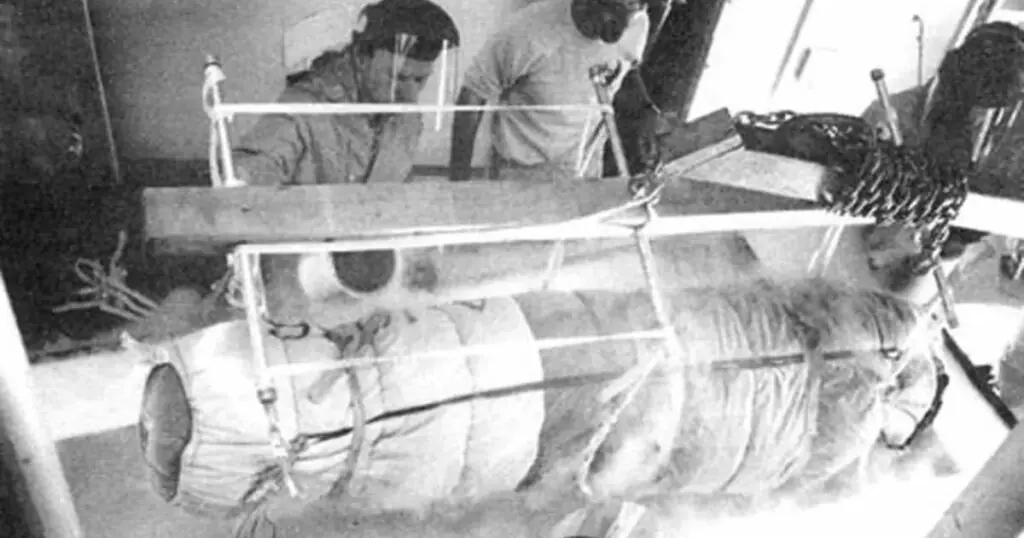
To understand the process of cryonics, it is important to examine how it differs from the kind of accidental preservation that can occur in extreme cold conditions. For instance, many people have survived submersion in icy waters for extended periods, a phenomenon sometimes referred to as "suspended animation." In these cases, the cold slows metabolism and brain activity, allowing the person to survive for a short period without oxygen. However, cryonics takes this concept to a much more extreme level, aiming to preserve the body at ultra-low temperatures for indefinite periods.
Cryonics is based on the principle of vitrification, which involves cooling the body to a temperature where biological processes essentially stop. The goal is to preserve the body in a state where cells remain intact and undamaged by the freezing process. However, this is easier said than done. If water inside a person’s cells were to freeze, it would expand, causing cell membranes to rupture. This is why cryonics specialists replace the water in the body’s cells with a cryoprotectant, which is essentially a human antifreeze. This chemical mixture prevents the formation of ice crystals, allowing the body to be frozen without cellular damage.
Once the body is vitrified, it is stored in liquid nitrogen at temperatures around -196°C (-320°F). At this temperature, the body is essentially "frozen in time," with no biological activity occurring. The hope is that, in the future, when science has advanced enough, a cure for the cause of death will be discovered, and the technology to repair any damage caused by freezing will be developed, allowing the person to be revived.
The Process of Cryonic Suspension: A Step-by-Step Breakdown
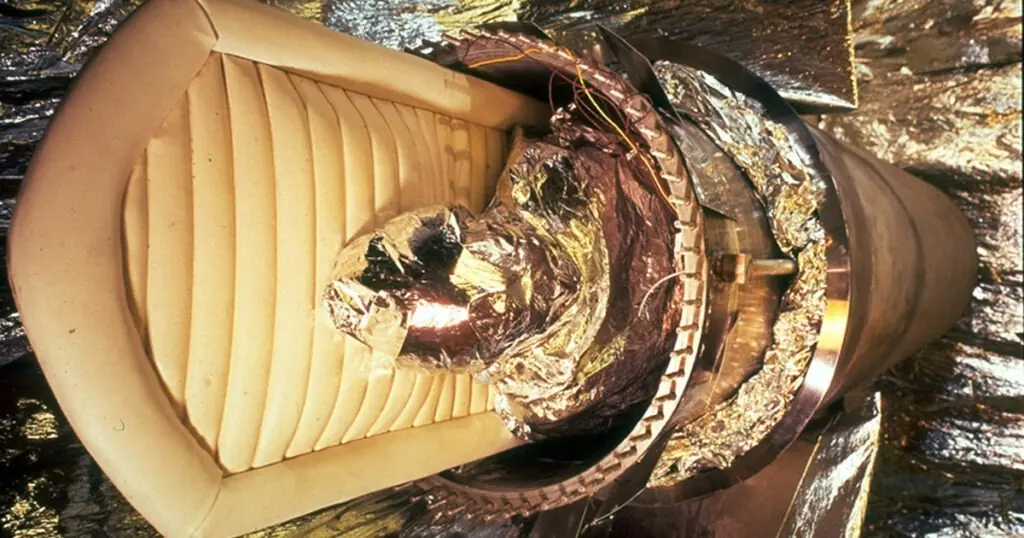
The cryonic suspension process is a complex, multi-step procedure that involves several critical phases:
-
Legal Death Declaration: Before cryonics can begin, a person must be legally declared dead. This means their heart has stopped beating, and their body has ceased circulation. It is crucial to understand that cryonics cannot be performed on living individuals; it must take place after death has been confirmed.
-
Stabilization: Once a person is legally dead, the cryonics team immediately begins stabilizing the body. This involves maintaining minimal brain function by artificially supporting oxygen and blood circulation to delay cellular damage.
-
Cooling and Cryoprotectant Injection: The body is then cooled gradually using ice and chemicals to slow down the cellular processes. Cryoprotectants are injected into the body to replace water in the cells, preventing the formation of ice crystals that could cause cellular damage.
-
Vitrification and Storage: Once the cryoprotectants have been introduced, the body is vitrified and stored in a large container filled with liquid nitrogen. The body remains in this state indefinitely, awaiting future medical advancements.
The Future of Cryonics: What Lies Ahead?
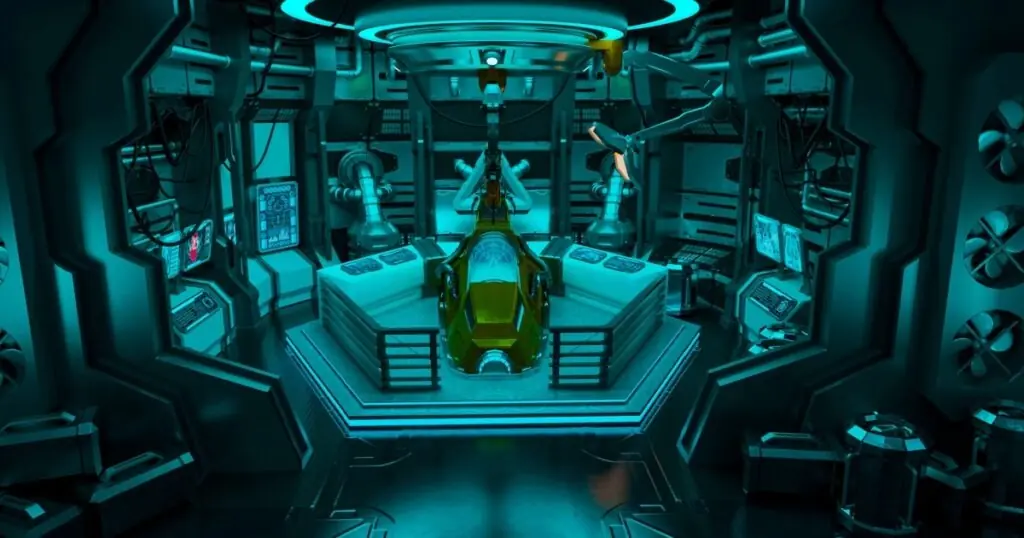
As of now, cryonics remains a controversial and largely speculative practice. While several people have already undergone cryogenic preservation, there has been no documented case of successful revival. This raises significant questions about the feasibility of the practice and whether it will ever be possible to revive someone after they have been frozen.
One of the main challenges to cryonics is the question of whether future science will be able to repair the damage caused by the freezing process itself. While vitrification prevents ice crystals from forming, it’s still unclear how freezing affects the body’s complex molecular and cellular structures over long periods of time. Additionally, the revival process would require advanced medical technology that is currently beyond our reach, including the ability to reverse aging, cure the cause of death, and repair any damage caused during the freezing process.
Despite these challenges, proponents of cryonics remain optimistic. The continued advancements in fields like regenerative medicine, nanotechnology, and cryobiology offer hope that one day, the dream of reviving the frozen dead may become a reality. However, for now, cryonics remains a speculative practice, with the first successful revival still awaiting confirmation.
Ethical and Philosophical Implications
The concept of cryonics raises not only scientific and medical questions but also profound ethical and philosophical issues. Should we be attempting to "cheat" death, or is it better to accept the natural course of life? What happens to the identity and consciousness of a person who is revived after being frozen for hundreds or even thousands of years? These are questions that cryonics supporters and critics alike must grapple with.
Additionally, cryonics presents significant social and political challenges. The cost of cryonic preservation is prohibitively expensive, often reaching upwards of $150,000 for whole-body preservation, and even more for neural suspension (preserving only the brain). This means that only the wealthy have access to this technology, raising questions of fairness and accessibility in the potential future of life extension.
Conclusion: The Frozen Future
James Bedford’s journey into cryonics marked the beginning of a new era in the quest for immortality, one that blends science, technology, and human ambition in an attempt to overcome the limitations of death. While the science behind cryonics is still far from being perfected, the possibility of reviving the frozen dead remains an alluring vision for the future. Whether or not we will ever be able to "defeat death" through cryonics remains to be seen, but James Bedford’s story—still preserved in his frozen state—serves as a testament to humanity’s enduring desire to overcome the final frontier of mortality.