When night falls and you close your eyes to sleep, most people expect a peaceful rest, a chance to recharge and leave the worries of the day behind. But what if we told you that as you drift off, your face becomes the venue for a tiny, bustling party? A myriad of microscopic creatures-Demodex mites-crawl out of your pores to explore, socialize, and mate, all under the cover of darkness.
This might sound like something straight out of a horror movie, but in reality, these tiny eight-legged mites have been silently cohabiting our skin for thousands of years. Far from being merely pests, Demodex mites play a complex role in our skin’s ecosystem. While most people remain blissfully unaware of their presence, understanding who these mites are, how they live on us, and when they might cause trouble is crucial for appreciating your skin’s health and taking steps if problems arise.
In this extensive guide, we’ll explore everything about Demodex mites: their biology, lifestyle, interaction with human skin, potential health implications, and what science says about their future. Prepare to uncover the invisible world thriving right on your face as you sleep.
What Exactly Are Demodex Mites?
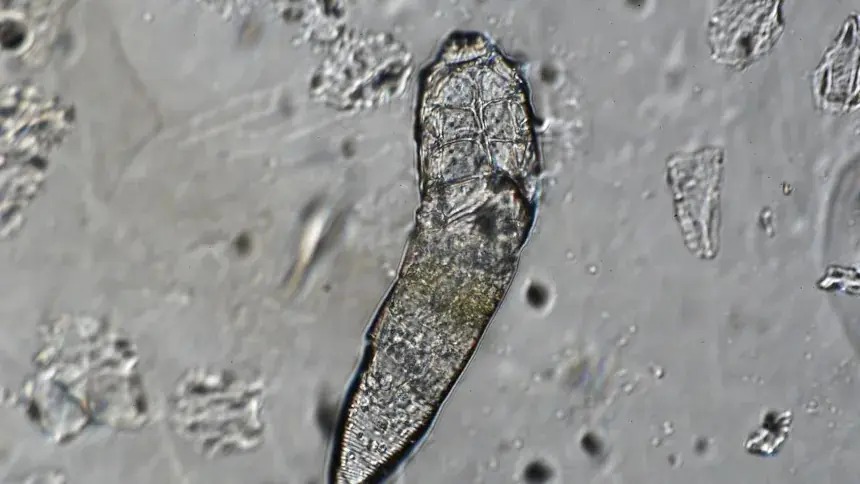
Demodex mites are a type of microscopic arthropod, specifically a genus of tiny parasitic mites, measuring only about 0.15 to 0.4 millimeters long-roughly the size of a grain of salt or smaller. You cannot see or feel them, but they live all over your body, especially on areas rich in hair follicles and oil glands.
Humans host two main species:
- Demodex folliculorum: Prefers the hair follicles, especially on the face.
- Demodex brevis: Lives deeper in sebaceous (oil) glands attached to hair follicles.
These creatures are oval-shaped with short legs near their heads, allowing them to crawl through narrow tunnels of hair follicles and sebaceous glands. Their entire lifecycle, from egg to adult, happens in these cozy skin tunnels.
The Nighttime Party: What Do Demodex Mites Do While You Sleep?
Alejandra Perotti, an associate professor of invertebrate biology at the University of Reading in England, explains that Demodex mites are primarily nocturnal. During the day, they remain hidden deep inside your pores, shielded from sunlight which can damage their DNA. But as soon as darkness falls and you’re asleep, they emerge:
“While we are sleeping, they come out and are very happy, mating, visiting relatives, walking on our faces. The moment we wake up, they go back inside the pore.”
This nightly emergence is essential for their survival and reproduction. The mites crawl around, mate, and move between follicles, effectively "throwing a party" on your face while you’re unconscious.
Why Do Demodex Mites Prefer Your Face?
Demodex mites thrive in hair follicles and sebaceous glands, which produce oily secretions called sebum. This oily environment is like a buffet to them. They feed on:
- Excess sebum (skin oils)
- Dead skin cells
- Hormones such as melatonin produced in the skin
Interestingly, there is a symbiotic exchange: while they feast on the oils and dead cells that clog your pores (essentially cleaning them out), humans provide them with melatonin that energizes these mites during the night.
Demodex mites have even evolved to resist ultraviolet rays from sunlight, enabling them to survive despite occasional sun exposure on the skin surface.
On average, there can be up to five Demodex mites per square centimeter of facial skin. That means hundreds, if not thousands, quietly living on your face without you ever noticing.
Are Demodex Mites Harmful? Should You Be Concerned?
For most healthy adults, Demodex mites are harmless and part of the normal skin ecosystem. Far from being mere parasites, they contribute to skin health by:
- Cleaning out clogged pores
- Consuming excess oils and dead skin cells
- Potentially regulating the microbial community on the skin
Alejandra Perotti encourages us not to be creeped out by their presence, stating, “They are more often friends than foes.”
When Do Demodex Mites Cause Problems?
Despite their usual harmlessness, an overgrowth of Demodex mites can lead to skin and eye conditions. This overpopulation is known as demodicosis.
Who Is Most At Risk?
- Older adults with weakened immune systems.
- People undergoing chemotherapy or immunosuppressive treatments.
- Individuals with certain skin conditions like rosacea.
Dr. Richard Locksley, a professor of medicine at the University of California, San Francisco, explains that immune deficiencies can make a person vulnerable to inflammatory reactions caused by Demodex mites and the bacteria they carry.
What Conditions Are Linked to Demodex Overgrowth?
1. Rosacea
Rosacea is a chronic skin condition marked by redness, pimples, and visible blood vessels on the face. Studies have linked high densities of Demodex mites with increased inflammation seen in rosacea sufferers.
2. Blepharitis (Eyelid Inflammation)
Demodex mites can inhabit eyelash follicles, leading to:
- Eyelid redness and swelling
- Itching and irritation
- Crusty debris at the lash base
- Recurrent styes or eyelash loss
Dr. Cory Lappin, an optometrist in Ohio, notes that mite infestation around eyelashes is a common cause of these symptoms.
3. Acne-Like and Other Dermatitis
The inflammation triggered by Demodex mites can mimic or exacerbate other skin conditions like acne or seborrheic dermatitis, especially in areas with high oil production such as cheeks, forehead, and nose.
How Do Doctors Diagnose Demodex Infestations?
Since Demodex mites are invisible to the naked eye, dermatologists and eye specialists diagnose their presence through:
- Skin scraping or tape tests: A gentle scrape or adhesive tape is applied to the skin or eyelids, then examined under a microscope to identify mites, eggs, or waste.
- Symptom assessment: Persistent redness, itching, flaking, and eyelid irritation may prompt testing.
Early diagnosis can help manage symptoms effectively.
Preventing and Managing Demodex Mite Overgrowth
For the average person, Demodex mites require no treatment or concern. However, if you experience symptoms linked to mite overpopulation, the following measures can help:
1. Maintain Good Hygiene
- Wash your face twice daily with a gentle, non-irritating cleanser.
- Remove all makeup before bed.
- Avoid over-washing, which can damage the skin barrier and exacerbate problems.
2. Clean Your Eyelids Regularly
- Use specially formulated eyelid cleansers or diluted baby shampoo on the lash line.
- Tea tree oil has demonstrated effectiveness in reducing mite populations but should be used cautiously to avoid eye irritation.
3. Avoid Sleeping with Pets
Dr. Dan Friederich, a US physician specializing in eye care, highlights that sleeping with pets can increase Demodex infestation risk, as mites can transfer between animals and humans. Keeping pets off the bed can help reduce this risk.
4. Use Medical Treatments When Needed
- Dermatologists may prescribe topical ivermectin or metronidazole to reduce mite numbers.
- Oral medications might be necessary in severe cases.
- In 2023, the FDA approved medicated eye drops specifically for treating Demodex-related eyelid inflammation.
The Future of Demodex Mites: Are They Disappearing?
Perotti’s research team recently uncovered fascinating insights suggesting that Demodex mites may be on a long-term evolutionary decline, a process she terms “genome erosion.”
Because these mites live symbiotically and are passed primarily between related humans, their genetic diversity is very low. Without natural predators or competition, and with a lack of genetic diversity, they may be gradually losing the ability to survive over millions of years.
Although this extinction process will take an unknown but very long time, it is neither a cause for celebration nor alarm. Humans will likely adapt to this change, potentially becoming less dependent on these mites.
Demodex Mites: Companions, Not Enemies
For centuries, Demodex mites have been blamed for various skin problems, but modern science suggests the real issue often lies in a compromised immune system, not the mites themselves.
Rather than fearing these tiny creatures, it’s more helpful to view them as part of a complex ecosystem living on and within our skin-our microscopic companions.
Conclusion: Embrace Your Invisible Co-Inhabitants
The revelation that hundreds of microscopic mites crawl over your face while you sleep may initially cause discomfort, but knowledge is empowering.
Understanding the biology and role of Demodex mites helps you make informed decisions about your skincare and health. Most people live with these mites without any issues, but if you notice skin irritation, eyelid problems, or other symptoms, simple hygiene changes and professional medical care can restore balance.
Your skin is a vibrant, living ecosystem-and your nightly mite visitors are an integral part of that story.