What Is a Brain Aneurysm?
A brain aneurysm is a dangerous bulge or ballooning in a blood vessel within the brain caused by a weakness in the vessel wall. As blood flows through, pressure causes the weakened area to expand, much like a thin spot on a tire. If this bulge ruptures, it can cause bleeding in the brain, often leading to a stroke or even death.
According to the NHS, aneurysms typically develop in blood vessels carrying blood from the heart throughout the body, including key vessels in the brain.
How Common Are Brain Aneurysms?
While many people may not realize it, brain aneurysms are more common than generally assumed. Studies suggest that about 1 in 30 people may develop a brain aneurysm during their lifetime. However, ruptures are rare, occurring in roughly 1 in 10,000 people per year. Despite their rarity, ruptures are extremely serious and require immediate medical attention.
Critical Warning Signs You Should Never Ignore
Dr. Sermed Mezher, a leading medical expert, has issued important warnings about the symptoms of a brain aneurysm that require urgent attention:
1. Sudden Severe Headache ("Thunderclap Headache")
-
This is often described as the worst headache of your life, scoring a 10 out of 10 in pain.
-
Patients describe feeling like they’ve been suddenly hit in the back of the head with no apparent cause.
-
This intense headache can occur suddenly and should never be dismissed as a normal migraine or tension headache.
-
It is frequently linked to aneurysms located in the posterior communicating artery (PCoA) of the brain.
2. Sentinel Headache
-
Sometimes, individuals experience a new and persistent headache weeks before an aneurysm ruptures.
-
Known as a "sentinel headache," it is usually more severe and persistent than usual headaches.
-
This headache is a crucial early warning sign that should prompt immediate medical evaluation.
Other Symptoms That May Indicate a Brain Aneurysm
-
Vision problems such as double vision or blurred vision
-
Pain above or behind the eye
-
Dilated pupils or changes in pupil size
-
Weakness or numbness on one side of the face or body
-
Difficulty speaking or sudden confusion
Even if these symptoms overlap with other conditions, they should always be taken seriously and evaluated by a healthcare professional.
Risk Factors Increasing Aneurysm Rupture
Certain factors can increase the likelihood of an aneurysm rupturing:
-
Size: Larger aneurysms pose a greater risk.
-
High Blood Pressure: Uncontrolled hypertension stresses vessel walls.
-
Smoking: Tobacco use damages blood vessels.
-
Family History: Genetics may predispose some individuals to aneurysms.
-
Age and Gender: Middle-aged adults and females have higher incidence rates.
Early detection and management of these factors can reduce the risk of rupture.
How Are Brain Aneurysms Diagnosed?
Many aneurysms are detected incidentally during imaging tests such as MRI or CT scans performed for unrelated reasons. If an aneurysm is found, doctors evaluate its size, location, and rupture risk to determine appropriate monitoring or intervention.
Treatment Options for Brain Aneurysms
-
Monitoring: Small aneurysms with low rupture risk may be closely monitored with regular imaging.
-
Surgical Clipping: A procedure to place a clip on the neck of the aneurysm to prevent bleeding.
-
Endovascular Coiling: A less invasive technique where coils are inserted via catheter to induce clotting inside the aneurysm.
Timely treatment significantly reduces the risk of devastating outcomes such as stroke or death.
What To Do If You Experience Symptoms
If you or someone you know experiences a sudden severe headache, vision changes, or other neurological symptoms described above, seek emergency medical care immediately. Quick diagnosis and intervention are critical.
Preventive Measures and Lifestyle Tips
-
Maintain healthy blood pressure through diet, exercise, and medication if prescribed.
-
Avoid smoking and exposure to secondhand smoke.
-
Manage stress and maintain regular health check-ups.
-
Inform your doctor if you have a family history of aneurysms or stroke.
Summary
Brain aneurysms, though often silent, carry a significant risk if ruptured. Recognizing the key symptoms—especially the sudden "thunderclap" headache and sentinel headaches—can save lives. Early detection through imaging, risk factor management, and timely treatment are essential.
As Dr. Sermed Mezher advises, "Raising awareness, ensuring timely screenings for those at high risk, and effective management of cardiovascular health are essential for mitigating the dangers of this infrequent yet severe condition."
Stay informed, listen to your body, and don’t ignore unusual headaches. Early action can be life-saving.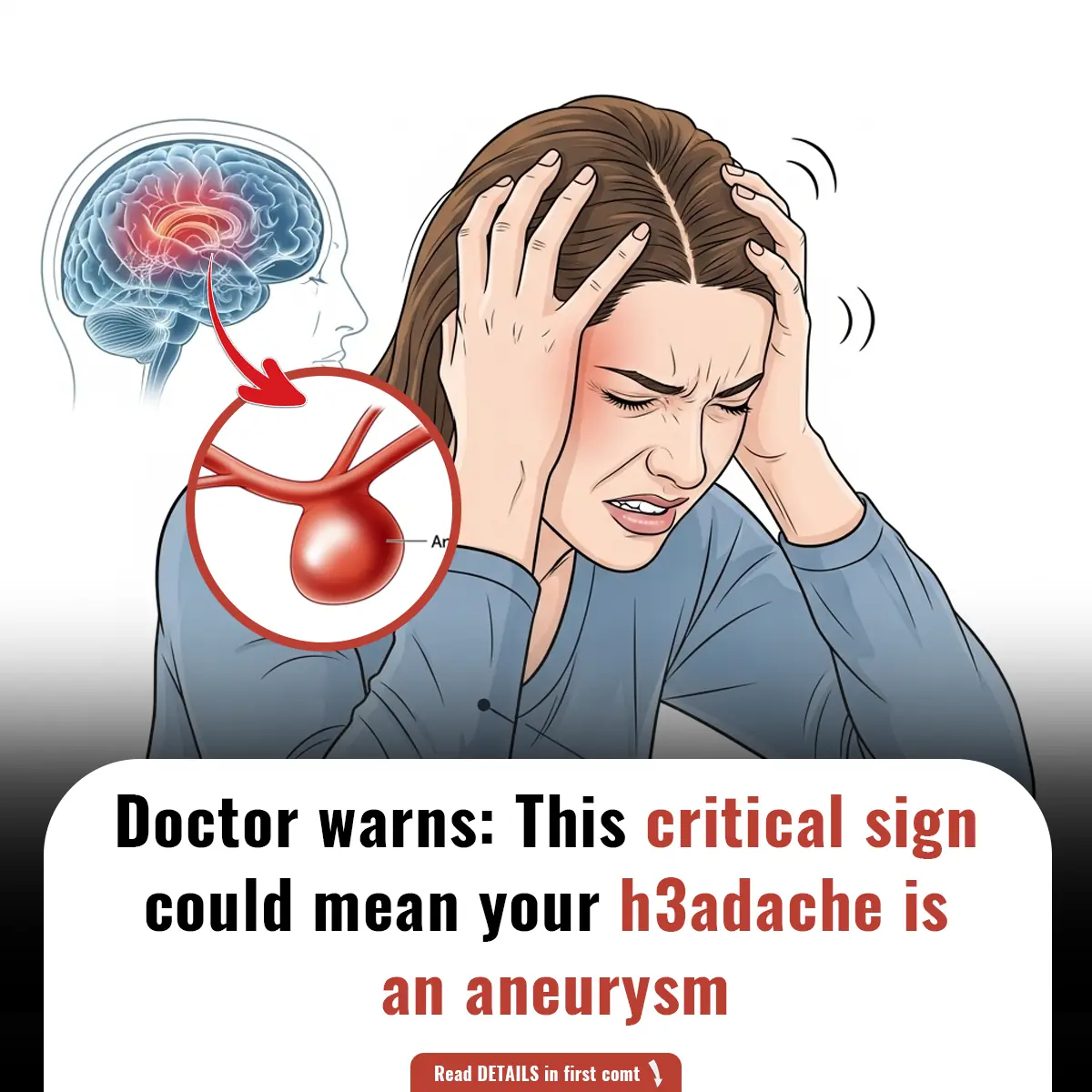
Sources and Further Reading:
-
NHS Brain Aneurysm Information
-
American Stroke Association
-
Mayo Clinic: Brain Aneurysm Symptoms and Treatment
-
Journal of Neurosurgery