Introduction: Navigating the Seafood Aisle with Confidence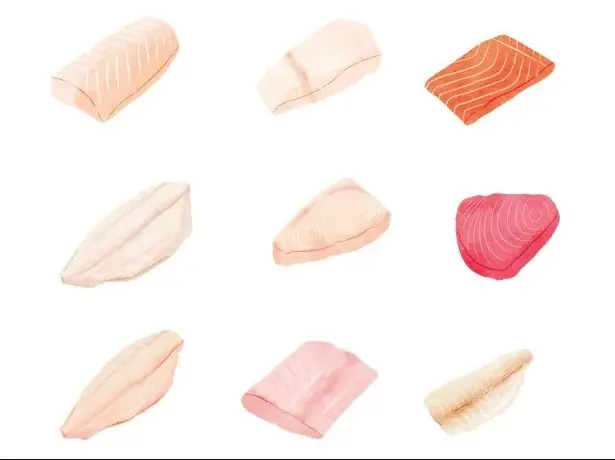
Buying fish can sometimes feel overwhelming with so many varieties and sustainability concerns. This guide breaks down popular fish types, their unique characteristics, ideal cooking methods, and recommended sustainable choices. Plus, we’ll offer alternatives if your preferred fish isn’t available, so you never miss out on a great meal.
1. Arctic Char and Salmon: The Omega-3 Powerhouses
Arctic char and salmon belong to the salmonidae family and feature rich, pink-orange flesh. Both are prized for their buttery texture and high omega-3 fatty acid content, supporting heart and brain health.
Sustainability Tip: Opt for wild-caught or responsibly farmed sources.
Substitutes: Ocean trout, black cod (sablefish), and mackerel offer similar richness and flavor profiles.
Cooking Tip: These fish are excellent grilled, baked, or pan-seared to preserve their moisture and flavor.
2. Cod: The Versatile Lean White Fish
Cod’s mild flavor and flaky texture make it a favorite for many dishes, including fish and chips.
Sustainability Tip: Pacific cod is preferred over Atlantic cod due to better population management.
Substitutes: Haddock, pollock, and monkfish provide similar texture and mild taste.
Cooking Tip: Cod holds up well to frying, baking, and poaching.
3. Halibut: The Meaty White Fish
Halibut is known for its firm, dense texture, offering a satisfying “meaty” bite among white fish.
Sustainability Tip: Look for wild Pacific halibut or responsibly farmed Atlantic halibut.
Substitutes: Flounder, sole, and cod can stand in, though they have lighter textures.
Cooking Tip: Halibut is ideal for grilling, roasting, or pan-searing.
4. Mahi Mahi: The Tropical Delight
Mahi mahi has a lean, firm flesh that turns white when cooked. Its name means “strong” in Hawaiian, reflecting its robust texture.
Substitutes: Halibut or swordfish make great alternatives for hearty dishes.
Cooking Tip: Best grilled or blackened for maximum flavor.
5. Red Snapper: The Mild Nutty-Flavored Fish
Recognizable by its reddish-orange skin and pinkish flesh, red snapper is lean with a mild, slightly nutty flavor.
Substitutes: Grouper and black sea bass offer similar mild tastes and textures.
Cooking Tip: Perfect for baking whole, grilling, or making ceviche.
6. Sea Bass: The Buttery and Delicate White Fish
Black sea bass is widely available, known for its delicate, slightly sweet flavor.
Substitutes: Flounder and red snapper share its tender texture.
Cooking Tip: Try pan-searing or baking for tender, flaky results.
7. Sole: The Thin and Quick-Cooking Fillet
Sole fillets are thin and cook rapidly, originating mostly from European waters. The American equivalent is flounder.
Substitutes: Red snapper and pollock can replace sole in recipes.
Cooking Tip: Ideal for light sautéing or delicate baking.
8. Swordfish: The Hearty Steak Fish
If you prefer meatier fish, swordfish is sold in thick steaks with firm texture and mild but distinct flavor.
Substitutes: Halibut and tuna provide similar dense and satisfying textures.
Cooking Tip: Best grilled or broiled to medium-rare to maintain moisture.
9. Tuna: From Cans to Steaks
Albacore tuna is commonly canned, while bluefin, skipjack, and yellowfin tuna are often sold as steaks.
Cooking Tip: Tuna toughens quickly, so serve rare or seared lightly on the outside.
Sustainable Seafood Tips
-
Look for Certifications: Choose fish certified by organizations like the Marine Stewardship Council (MSC).
-
Buy Local and Seasonal: Supporting local fisheries can reduce environmental impact.
-
Ask Your Fishmonger: Inquire about the source and sustainability of the fish.
-
Avoid Overfished Species: Learn which fish are overfished in your region.
Conclusion: Fish Shopping Made Simple
Understanding the variety and characteristics of fish helps you select the best option for your meal and health. Knowing smart substitutes keeps your cooking flexible and sustainable. Next time you shop, confidently pick your fish and enjoy delicious, nutritious seafood dishes.