Introduction: Why Your Biological Clock Matters
Everyone has 24 hours in a day, but how effectively we use that time can vary greatly. Recent studies reveal that aligning our daily activities with our biological clock—our body’s internal timekeeper—can maximize productivity and improve well-being. This natural rhythm governs much more than just sleep; it influences energy levels, mental alertness, digestion, mood, and even immunity.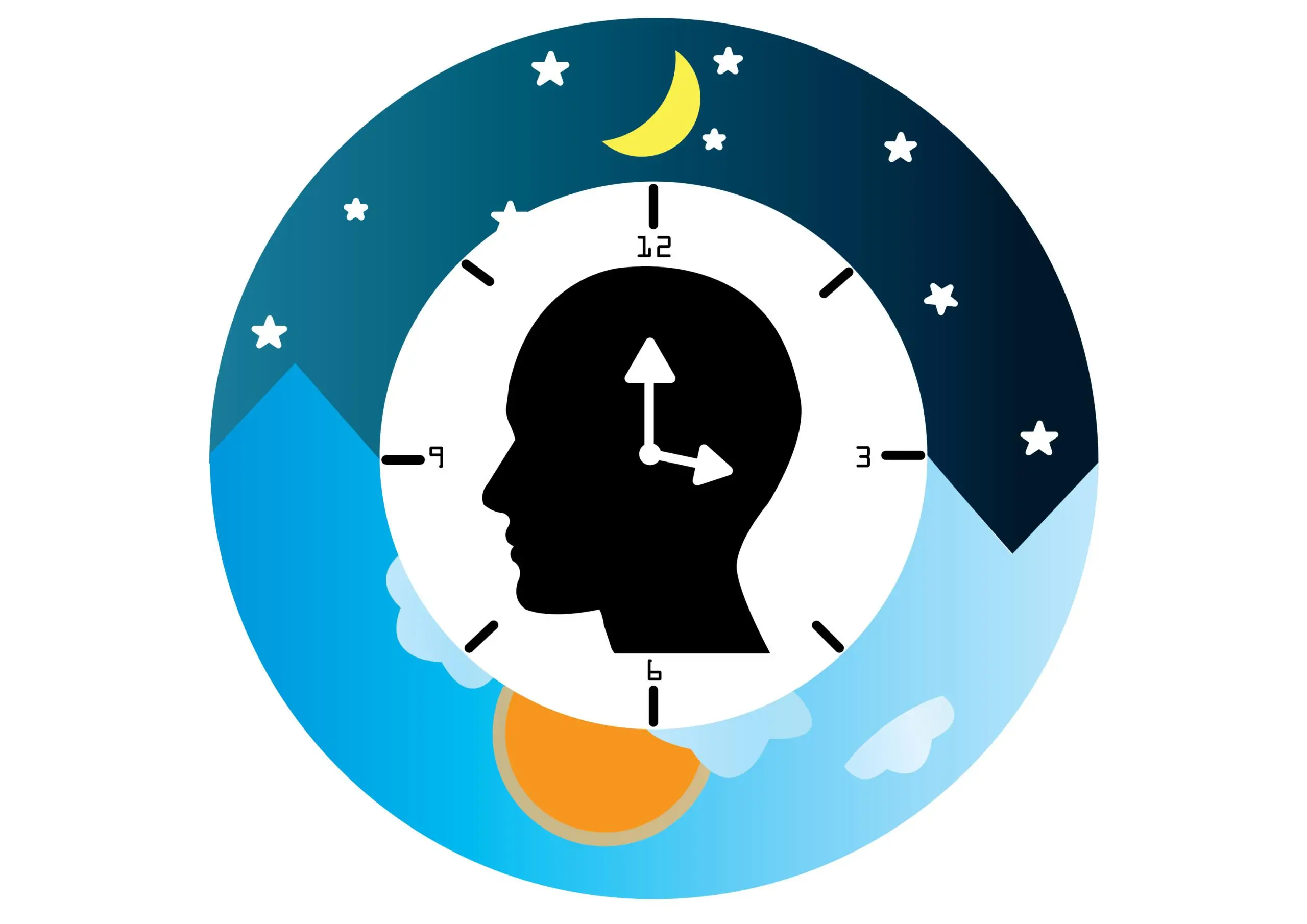
By understanding and syncing with your circadian rhythm, you can work smarter, feel better, and optimize your health.
What Is Your Biological Clock?
Your biological clock, also known as the circadian rhythm, is an internal system that controls daily cycles of bodily functions. It regulates sleep-wake cycles, hormone release, body temperature, and metabolic processes. This rhythm is largely influenced by light and darkness but also by behaviors like eating and exercise.
When your biological clock is synchronized with your environment, you experience balanced energy levels, better mood, and enhanced cognitive function. However, disruptions—due to shift work, travel, or irregular habits—can lead to fatigue, stress, and health problems.
How Does Your Biological Clock Affect Your Health?
Circadian rhythms impact a wide range of health aspects including:
-
Sleep quality: Proper synchronization promotes restful sleep and reduces insomnia.
-
Mental alertness: Peak cognitive function usually aligns with certain times of day.
-
Hormone balance: Regulates hormones like cortisol and melatonin which affect stress and sleep.
-
Metabolism and digestion: Eating at the right times can prevent weight gain and metabolic disorders.
-
Immune function: A well-timed biological clock supports optimal immune responses.
Disrupted circadian rhythms have been linked to chronic diseases such as diabetes, depression, obesity, and cardiovascular disease.1 Maintaining your natural rhythms is essential for long-term health.
Recognizing Your Body’s Natural Energy Patterns
You’ve likely noticed times when you feel most alert or fatigued during the day. These fluctuations correspond to your biological clock’s peaks and troughs. Common patterns include:
-
Morning peak: Many people experience heightened alertness in the late morning hours.
-
Early afternoon dip: Energy often declines after lunch, sometimes called the “afternoon slump.”
-
Evening rise: Some individuals regain focus and energy in the early evening.
-
Nighttime wind-down: Body temperature drops and melatonin rises to prepare you for sleep.
Understanding your unique patterns can help you schedule demanding tasks when you’re naturally most focused and reserve less intense activities for low-energy times.
Best Times to Perform Key Activities According to Your Biological Clock
Sleeping
Sleep is foundational to health. Your body naturally prepares for sleep as melatonin levels rise in the evening, usually around 9-10 PM for most people. The best sleep quality occurs when bedtime aligns with your internal clock.
Age impacts sleep patterns:
-
Children are early risers.
-
Teenagers often prefer later bedtimes and wake times.
-
Older adults tend to shift toward earlier sleep schedules.
A mid-afternoon nap (around 1-3 PM) can boost alertness but should be kept brief to avoid interfering with nighttime sleep.
Eating
Meal timing influences circadian rhythms and metabolism. Research shows that eating within a 12-15 hour window daily supports weight management and metabolic health.2 Avoid heavy meals late at night, ideally finishing dinner at least three hours before bedtime, to prevent sleep disturbances.
Eating at consistent times helps “reset” your biological clock, especially when adjusting to new time zones or shift work.
Exercising
Exercise acts as a powerful cue for your circadian system. Studies indicate that physical performance, muscle strength, and injury resilience peak between 3 PM and 6 PM.3 Scheduling workouts during this window can maximize effectiveness.
Evening exercise, such as yoga, can promote relaxation due to heightened flexibility and reduced injury risk.
Thinking and Mental Work
Mental sharpness tends to peak in the late morning hours (around 10 AM to noon). This is an ideal time for tasks requiring high concentration, problem-solving, or learning.
Interestingly, creativity often blossoms during times of lower alertness, such as late afternoon or evening, when the mind is more prone to wandering.4
How to Adjust Your Biological Clock to a New Schedule
Sometimes life demands that we change our natural rhythms—whether due to work shifts, travel, or lifestyle changes. Here are strategies to help you realign your internal clock:
-
Consistent sleep schedule: Go to bed and wake up at the same times daily, even on weekends. Avoid hitting the snooze button.
-
Controlled light exposure: Bright light in the morning can advance your clock, helping early risers; dim lights in the evening encourage melatonin release.
-
Timed meals: Eat meals at regular times and avoid late-night snacking.
-
Limit caffeine and alcohol: Both can disrupt your sleep patterns if consumed too late.
-
Physical activity: Regular exercise at appropriate times supports clock adjustment.
-
Patience: It can take days to weeks to fully adapt to a new schedule—stick with it consistently.
Understanding Chronotypes: Are You a Morning Lark or Night Owl?
Your chronotype describes your natural preference for timing of sleep and activity. Some are “morning larks,” who feel energetic early in the day; others are “night owls,” who hit their peak later.
Knowing your chronotype can help you tailor your schedule for peak productivity. For example:
-
Morning larks thrive with early meetings and morning workouts.
-
Night owls may perform better with later start times and evening tasks.
Flexibility to honor your chronotype can enhance well-being and reduce burnout.
Summary: Syncing Your Schedule with Your Biological Clock for Optimal Living
Your biological clock influences every aspect of your daily functioning—from sleep and energy to mood and digestion. By tuning into your body’s natural rhythms and adjusting your activities accordingly, you can boost productivity, improve health, and feel more balanced.
Changing your routine may require effort and consistency but can lead to lasting benefits like better sleep, increased focus, and reduced stress. Whether you’re a student, professional, or retiree, syncing with your internal clock is a powerful step toward thriving every day.