Introduction: Why Proper Meat Storage Matters
For many busy households, shopping for meat and fish just once or twice a month is common. Whether you buy in bulk to save time or money, understanding the right way to store these perishable foods is crucial. Improper storage can lead to spoilage, foodborne illnesses, and wasted food. This guide walks you through best practices for refrigerating and freezing various meats, helping you extend shelf life, recognize spoilage signs, and keep your meals both safe and tasty.
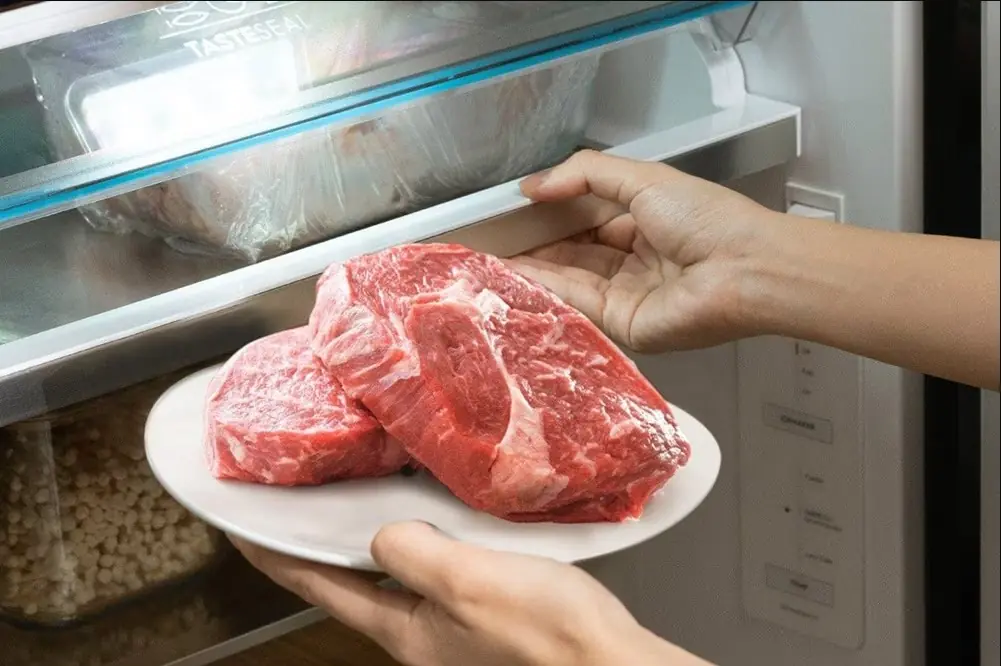
How Temperature Affects Meat Safety and Quality
Refrigeration slows down bacterial growth, while freezing essentially pauses it. However, both methods have limits, and improper temperature or storage can degrade quality or cause food safety issues. The USDA recommends keeping refrigerators at or below 40°F (4°C) and freezers at 0°F (-18°C) for optimal food preservation.
1. Chicken: Shelf Life and Storage Tips
-
Refrigerator: Whole chicken stays fresh for 1-2 days.
-
Freezer: Whole chicken lasts up to 12 months.
-
Chicken parts (breasts, thighs, wings): Best consumed within 9 months of freezing.
-
Giblets: Use within 3-4 months after freezing.
Spoilage signs: Grayish color, slimy texture, unpleasant odor.
Pro tip: Store raw chicken in a leak-proof container to avoid cross-contamination. Always thaw frozen chicken in the refrigerator, never on the countertop.
2. Pork: Storage Durations and Handling
-
Refrigerator: Use within 1-2 days for freshness.
-
Freezer: Pork chops last 4-6 months; pork roasts up to 12 months.
Spoilage signs: Sliminess, foul smell, change in texture.
Additional advice: Avoid thawing pork at room temperature; instead, use refrigerator thawing or cold water thawing to reduce bacterial growth risk.
3. Beef and Lamb: Keeping Quality Intact
-
Refrigerator: 1-3 days for steaks and roasts.
-
Freezer: Steaks up to 12 months, roasts up to 12 months, but flavor is best within 4-8 months.
Spoilage signs: Off smell, bloated or discolored appearance.
Storage tip: Vacuum-sealing beef or lamb before freezing greatly extends shelf life and maintains flavor.
4. Fish: Different Types, Different Lifespans
-
Fatty fish (salmon, mackerel, herring): Refrigerate 1-2 days, freeze 2-3 months.
-
Lean fish (tilapia, cod, tuna): Refrigerate 1-2 days, freeze up to 6 months.
Spoilage signs: Sour smell, slimy or mushy texture.
Important: Always buy fresh fish from reputable sources. Freeze fish promptly if you don’t plan to cook it within a day or two.
5. Seafood: Shrimp, Shellfish, and More
-
Refrigerator: Use within 1-2 days.
-
Freezer: Can last up to 1 year, but consume sooner for best taste.
Spoilage signs: Strong ammonia-like odor, slimy texture.
Safety note: Do not refreeze thawed seafood to prevent quality loss and bacterial growth.
6. Turkey: Similar Guidelines to Chicken
-
Refrigerator: Whole turkey lasts 1-2 days.
-
Freezer: Up to 12 months for whole turkey; parts should be used within 9 months.
-
Giblets: Use within 3-4 months after freezing.
Spoilage signs: Sliminess, off odor.
Cooking tip: Thaw turkey in the fridge, allowing about 24 hours for every 4-5 pounds.
7. Ground Meat: Use With Caution
-
Freezer: Should be consumed within 4 months for best quality (applies to ground beef, pork, chicken, turkey, lamb).
-
Refrigerator: Use within 1-2 days.
Spoilage signs: Sticky, slimy texture, unpleasant odor.
Pro tip: Ground meat is more perishable than whole cuts due to increased surface area exposed to bacteria.
8. Deli Meats: Storage Tips
-
Hot dogs and sausages: Freeze for up to 8 months.
-
Bacon: Freeze up to 6 months.
-
Uncooked ham: Freeze up to 4 months.
-
Cooked ham: Best kept refrigerated and consumed within 1 week; avoid freezing cooked ham if possible.
-
Opened canned deli meats (corned beef, luncheon meat): Refrigerate and consume within 3-10 days; do not freeze after opening.
Spoilage signs: Sliminess, bad smell, texture changes.
9. Deli Meat Safety: Handling and Tips
When buying deli meats, check the sell-by date and avoid any with excessive moisture or discoloration. Keep deli meats tightly wrapped or in sealed containers to prevent drying and bacterial growth.
Additional Tips for Safe Meat Storage and Handling
-
Label everything: Date your packages before freezing to keep track of storage time.
-
Avoid temperature fluctuations: Keep your refrigerator and freezer doors closed as much as possible.
-
Freeze in portions: Divide large meat portions into smaller packages for easier thawing and less waste.
-
Use airtight packaging: Vacuum-sealing or freezer bags reduce freezer burn and prolong freshness.
Recognizing Spoilage and Food Safety Risks
Consuming spoiled meat can cause food poisoning. Symptoms may include nausea, vomiting, diarrhea, and stomach cramps. When in doubt, discard questionable meat.
The Importance of Proper Thawing Methods
Thaw meat in the refrigerator, in cold water (sealed in a leak-proof bag, changing water every 30 minutes), or in the microwave if cooking immediately afterward. Avoid thawing meat on the countertop.
Understanding Freezer Burn and Its Impact
Freezer burn occurs when meat is exposed to air and moisture, causing dry spots and off-flavors. Though safe to eat, it can negatively affect taste and texture. Proper packaging helps prevent this.
Conclusion: Safe Storage Means Better Taste and Health
Knowing how long you can safely store meat and fish in your fridge or freezer is essential to avoid waste and health risks. Follow recommended timeframes and storage tips to ensure your meals stay delicious and safe.
FAQs
Q: Can I refreeze meat once thawed?
A: Only if thawed in the refrigerator and not left out at room temperature. Otherwise, refreezing is unsafe.
Q: How do I know if my meat has gone bad?
A: Look for changes in color, texture, odor, and if in doubt, throw it out.
Q: Can frozen meat last forever?
A: No, quality deteriorates over time. Follow recommended storage times for best results.