Introduction
Hydrogen peroxide is a powerhouse household chemical with many uses beyond the medicine cabinet. From disinfecting kitchen sponges to whitening laundry and removing mold, this inexpensive and eco-friendly solution can replace harsh chemicals in many areas of your home. In this article, we'll explore 15 highly effective and safe ways to incorporate 3% hydrogen peroxide into your cleaning routine and personal care.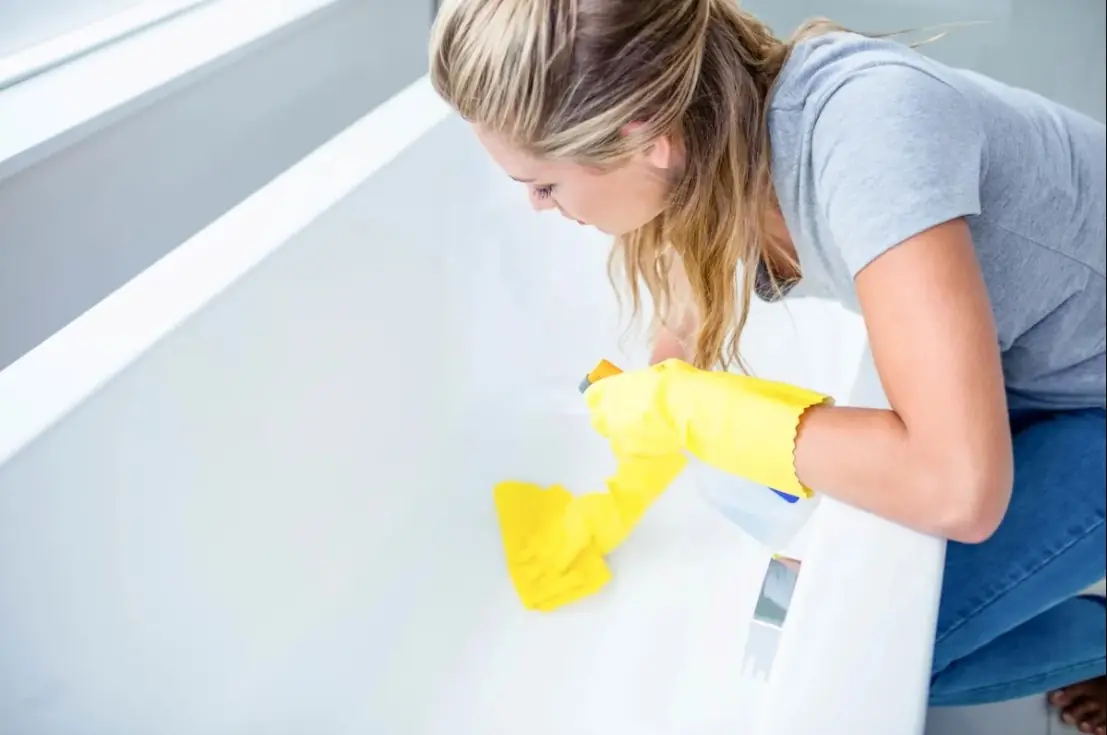
1. Disinfect Kitchen Towels and Sponges
Kitchen towels and sponges often harbor bacteria due to frequent exposure to moisture and food residue. Once a week, disinfect them by soaking in a mixture of equal parts hydrogen peroxide and water. This natural sanitizing method keeps germs at bay without the use of toxic chemicals.
2. Sanitize Cutting Boards
Cutting boards can be breeding grounds for bacteria. Spray undiluted hydrogen peroxide on your cutting boards and let it sit for about an hour before rinsing with plain water. This kills bacteria and helps keep your food prep surfaces hygienic.
3. Clean Your Refrigerator
Hydrogen peroxide is excellent for cleaning and disinfecting your fridge. Wipe down shelves and drawers with it to remove bacteria and odors. After cleaning, rinse with water and dry thoroughly to prevent moisture buildup.
4. Brighten Tile Grouting
Dirty, discolored grout can make your tiles look old and dingy. Mix 2 parts baking soda, 1 part hydrogen peroxide, and 1 part dish soap to create a paste. Apply it to grout lines, scrub with a brush, let it sit for an hour or overnight, then rinse with warm water for refreshed grout.
5. Deep Clean Cookware
To restore shine to your pots and pans, make a paste using hydrogen peroxide and baking soda. Scrub stubborn stains and burnt-on residue gently. This method is an affordable and non-toxic alternative to commercial cleaners.
6. Sparkling Mirrors and Glass
Spray hydrogen peroxide on mirrors or glass surfaces and wipe clean with a microfiber cloth for streak-free shine and sanitized surfaces without harsh chemicals.
7. Remove Stains from Marble Surfaces
For tough stains on marble floors or countertops, mix hydrogen peroxide with flour to form a paste. Apply it to the stain, let it sit for a while, then gently wipe off with a damp cloth to reveal a cleaner surface.
8. Whiten and Brighten Clothes and Towels
Soak white laundry items in a bucket of warm water with ¼ cup hydrogen peroxide, ½ cup baking soda, and a tablespoon of mild detergent for 2 hours before washing as usual. This natural whitening method revitalizes dull whites without bleach.
9. Clean and Sanitize Toilet Bowls
Pour hydrogen peroxide into the toilet bowl and spray it on the toilet seat and exterior. Let it sit for an hour before flushing and wiping clean. Add a few drops of essential oils for a fresh scent.
10. Remove Fabric Stains
Apply hydrogen peroxide directly onto carpet or fabric stains. Let it sit a few minutes, then blot with a damp cloth. For tough stains, combine hydrogen peroxide with dish soap, spray the mixture on, sprinkle baking soda, gently scrub, and wash as usual.
11. Sanitize Manicure and Pedicure Tools
Disinfect nail tools by spraying with hydrogen peroxide, letting them sit briefly, then rinsing. This simple routine reduces bacteria buildup and keeps your beauty tools clean.
12. Freshen Reusable Grocery Bags
Spray a diluted solution of hydrogen peroxide and water inside grocery bags to eliminate odors and bacteria, keeping them fresh between uses.
13. Make Natural, Non-Toxic Bleach
Mix 1½ cups 3% hydrogen peroxide, 1 gallon water, ½ cup fresh lemon juice, and 20–30 drops lemon essential oil to create a safe, natural bleach alternative. Use it for laundry whitening, cleaning toilets, floors, and more.
14. Clean and Brighten Nails
Soak nails in a solution of 3 tbsp hydrogen peroxide mixed with 1 cup warm water for 2–3 minutes, then scrub gently with a nail brush. Alternatively, use a paste of hydrogen peroxide and baking soda applied to nails and under tips. Rinse and moisturize afterward.
15. Remove Mold and Mildew
Spray undiluted 3% hydrogen peroxide mixed with a few drops of tea tree oil on moldy surfaces. Let it sit for 20–30 minutes, then scrub with a soft brush and rinse. This natural method helps control mold without harsh chemicals.
Safety Tips for Using Hydrogen Peroxide at Home
-
Store hydrogen peroxide in dark bottles away from light to prevent it from degrading into water.
-
Use only 3% concentration for household cleaning.
-
Always wear gloves to avoid skin irritation or burns.
-
Avoid contact with eyes; flush immediately with water if contact occurs and seek medical advice if irritation persists.
-
Keep out of reach of children and pets.
Conclusion
Hydrogen peroxide is a remarkably versatile, safe, and environmentally friendly cleaning agent. These 15 hacks demonstrate how you can replace many harsh chemicals in your home with this simple solution, saving money and protecting your family’s health. Incorporate these tips into your routine to maintain a cleaner, fresher, and healthier home naturally.