Hospice nurse Jackie McFadden reveals the most common things people say before they pass, offering profound insights into life and death. Discover the importance of gratitude, the emotional aspects of dying, and how to navigate the dying process with dign
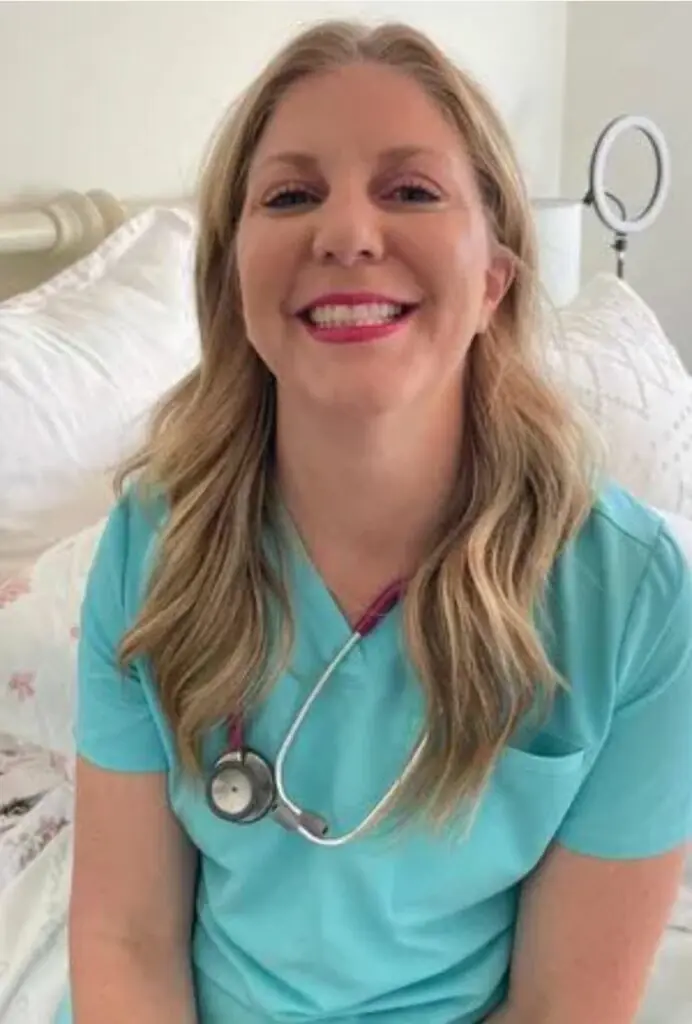
Image Credit: @hospicenursejackie
Life and death are undeniably intertwined, with the passage from one to the other often leaving individuals pondering whether they lived fully and meaningfully. Jackie McFadden, a hospice nurse who has been by the sides of more than 100 individuals in their final moments, has shed light on the final words spoken by many before their passing. These insights not only offer comfort but also provide a unique perspective on what truly matters in life.
The Importance of Gratitude: A Core Reflection of the Dying
Jackie McFadden has built a strong following on social media, where she shares her experiences and insights as a hospice nurse. Specializing in end-of-life care, McFadden’s mission is to remove the stigma surrounding death and help both the dying and their families navigate this inevitable part of life. Through her platform, she connects with millions, providing valuable advice and emotional support.
In a recent podcast appearance on “Disruptors,” McFadden shared a touching moment from her nightly routine with hospice residents. Each evening, she encourages them to reflect on what they’re grateful for. McFadden has found that despite the emotional and physical challenges her patients face, many express a deep appreciation for life's small but significant moments. "I like the fact that I can breathe, I’m walking around, I can feel the sunshine – little things like that," she said.
But perhaps the most consistent message McFadden hears from those nearing the end of their lives is a reflection on the past. "The biggest thing I hear from people [who are] dying is that they wish they would have appreciated how well they felt before," McFadden reveals. This profound realization underscores the importance of living fully in the present, appreciating good health and simple joys before it's too late.
A Nurse’s Struggle with Taking Life for Granted

Image Credit: @hospicenursejackie
Despite the deep wisdom McFadden gains through her daily work, she admits that even she can sometimes take life for granted. "I think because of my job, it’s easier for me to see how once in a lifetime this is — the fact that everything works together in our bodies to make us live and grow. And I see that in depth too. I see how our bodies are biologically built to die," she confesses.
Her vulnerability highlights the paradox of working in a field where life and death are ever-present yet often underappreciated in our daily lives. McFadden encourages everyone, including herself, to remain mindful of the fragility of life.
A Hospice Nurse’s Book on Death: Helping People Process the Inevitable
Along with her social media presence, McFadden has authored a book titled Nothing to Fear, a guide to help individuals process and accept death. In the book, she shares her extensive experience in helping patients and their families cope with the dying process. McFadden firmly believes that understanding the process of death can ease the emotional burden when it becomes a reality for someone we love or ourselves.
"I believe that people should know about the dying process before they’re actually going through it with a loved one or themselves," she explains. By preparing for the inevitable, individuals can face death with more acceptance, making the emotional toll a little less daunting.
Belief in the Afterlife: A Personal Revelation
Before becoming a hospice nurse, McFadden worked in an ICU, a setting where death was also a frequent occurrence. Her time in the ICU, as well as her experiences in hospice care, has led her to a conclusion that many may find surprising: she believes in the afterlife. McFadden’s belief stems from the countless encounters she has had with those taking their final breaths. She’s observed moments that she describes as "unexplainable" and believes these experiences indicate a reality beyond what we see in this world.
"I’ve seen things happen during a person’s final moments that have made me believe that there is something beyond this life," McFadden shares. These personal revelations, gained from years of intimate experience with death, have shaped her understanding of life’s ultimate journey.
The Economic Reality of Dying in America
Beyond the emotional aspects of death, McFadden also highlights a sobering reality in the U.S. healthcare system — the financial burden of dying. "Generally speaking, it helps to have money to die well, which I think is really unfortunate," she admits. Many families devote themselves to caring for a loved one on hospice, but often lack the training or financial means to provide the level of care needed."Only people with pretty extreme wealth can afford to provide the necessary care, which I think is really unfortunate," McFadden adds. This economic disparity highlights the inequalities present in the healthcare system, where those with fewer resources are left to struggle, even in their final moments.
Recognizing the Signs of Oncoming Death
In addition to her emotional and philosophical insights, McFadden is also an expert in recognizing the physical signs that a person is approaching death. Through years of experience, she has learned to identify subtle cues that indicate the end is near. For instance, she notes that a significant change in breathing patterns, such as shortness of breath, is one of the first signs. Additionally, a noticeable change in the color of the skin can indicate that the body is shutting down.
Other signs of approaching death include:
-
Isolation: A person may become increasingly withdrawn and less responsive to external stimuli.
-
Pain: Extreme pain or discomfort may set in as the body begins to weaken.
-
Fatigue: Constant tiredness or a need to sleep frequently is common as the body prepares for death.
-
Loss of Appetite: As the body stops needing fuel, the person may lose interest in eating.
-
Dehydration: The body’s ability to absorb fluids diminishes, leading to dehydration.
-
Loss of Muscle Control: Incontinence or a loss of control over bodily functions can occur in the final stages.
-
Confusion or Delirium: The person may become disoriented or unaware of their surroundings, and may even experience agitation or restlessness.
These signs can provide important guidance for families who are facing the loss of a loved one, helping them to prepare emotionally and practically for the inevitable.
Emotional and Practical Support for the Dying
Beyond physical care, McFadden emphasizes the importance of emotional support for those who are nearing the end of their lives. Palliative and hospice care are critical in providing both emotional and physical comfort, helping individuals navigate their final moments with dignity and peace.
McFadden’s work underscores the need for comprehensive care that addresses both the emotional and physical needs of the dying. She encourages families to seek support from healthcare providers who specialize in end-of-life care to ensure their loved ones are well-cared for and comfortable in their final days.
Conclusion: Embracing Life Fully Before It's Too Late
Through her years of working with individuals facing their final moments, McFadden has learned that one of the most common reflections from those nearing death is a deep appreciation for the simple things in life. Many express regret over not fully appreciating their health, relationships, and everyday moments when they had the chance.
As McFadden puts it, "The biggest regret I hear is that people wish they had appreciated how well they felt before." These words serve as a powerful reminder for all of us: life is precious, and we should never take our health and well-being for granted. By living with gratitude, compassion, and mindfulness, we can ensure that we embrace life fully, without waiting for the final moments to realize what truly matters.